

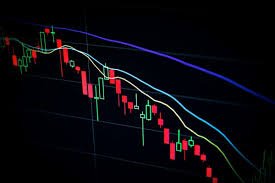
With its roller-coaster price swings, the cryptocurrency market is often considered more volatile than traditional financial markets. For those new to the space or even seasoned investors, it’s essential to understand the factors that drive both long-term and short-term price volatility in cryptocurrencies. This article will dissect the primary components that contribute to these fluctuating dynamics.
Understanding Cryptocurrency Volatility
Before diving deep, let’s first comprehend what volatility means. In finance, volatility refers to the degree of variation in a security’s price over time. A highly volatile asset, like many cryptocurrencies, means its price can shift significantly in a short period, either positively or negatively. These are easy to spot for day traders using exchanges like Immediate Alpha to navigate this cryptocurrency space.
Short-Term Volatility Factors
News and Media Influence
The cryptocurrency market is highly reactive to news. Declaring regulatory changes, technological advancements, or high-profile endorsements can create immediate and significant price shifts. The price saw sharp movements when Elon Musk tweeted about Tesla’s involvement with Bitcoin or his infamous Dogecoin tweet.
Speculative Trading
A considerable portion of crypto trading is speculative. Traders often ride on short-term price momentum, either buying in anticipation of a price rise or selling to avert losses, which can lead to sudden price surges or drops.
Whale Activity
‘Whales,’ or large cryptocurrency holders, have significant market influence. A large trade by a whale can create price waves, causing short-term volatility.
Technological Vulnerabilities
Issues like software bugs or security breaches in cryptocurrency platforms can lead to immediate distrust, prompting rapid sell-offs.
Long-Term Volatility Factors
Regulatory Environment
Governments and financial institutions worldwide are still grappling with how to approach cryptocurrencies. As such, any long-term regulatory clampdown or endorsement can induce prolonged market volatility. China’s restrictions on cryptocurrency activities have historically caused longer-term market adjustments.
Adoption and Acceptance
As more businesses and consumers adopt cryptocurrency, its demand, utility, and price stability could increase. Conversely, hesitations or setbacks in widespread adoption can contribute to prolonged uncertainty and volatility.
Technological Evolution
The ongoing development of blockchain technology and the introduction of new features or scalability solutions can affect the long-term value proposition of a cryptocurrency. Ethereum’s transition to Ethereum 2.0 with its proof-of-stake consensus mechanism has implications for its long-term price trajectory.
Macroeconomic Factors
Like any other asset, cryptocurrencies can be influenced by broader economic conditions. Economic recessions, inflation rates, and global financial crises can impact investor trust and the appeal of cryptocurrencies as an alternative asset.
Inherent Factors Impacting Both Short and Long-Term Volatility
Market Liquidity
Liquidity refers to how easily an asset can be bought or sold without affecting its price. Cryptocurrencies, especially those other than Bitcoin or Ethereum, can sometimes lack liquidity, causing short- and long-term volatility.
Market Sentiment
The collective perception and mood of investors can be a potent driver. Positive sentiment can lead to bullish (rising) markets, while negative views can lead to bearish (falling) markets, influencing both short-term reactions and long-term beliefs.
Supply and Demand Dynamics
The basic economic principle of supply and demand always plays a role. A capped supply, like Bitcoin’s 21 million limit, combined with increasing demand, can lead to price increases. Conversely, a lack of demand can push prices down.
Navigating the Waves of Volatility
For those engaging in the cryptocurrency market, understanding volatility is crucial. Some embrace it, seeing opportunities in the price swings. Others might find it daunting. But with knowledge comes empowerment. By understanding the underlying factors, individuals can make more informed decisions and navigate the cryptocurrency world more confidently.
Final Thoughts
Many factors, including short and long-term variables, influence cryptocurrency volatility. The crypto market is continuously evolving from media influence and speculative trading to regulatory landscapes and technological advancements. By grasping volatility’s core components, novices and experts can better strategize their investment decisions in this dynamic digital frontier.